
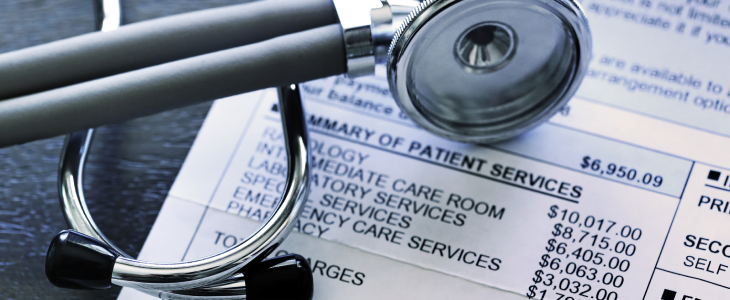
Car accidents happen suddenly and can change your life in an instant. Beyond the emotional shock and physical pain, one of the most stressful consequences is dealing with medical bills. From emergency room visits and physical therapy to follow-up care and prescriptions, expenses can pile up faster than you expect.
If you’re a victim of a car accident in Maryland, understanding how medical bills are handled under state law is critical. You need to know who pays for what, how insurance coverage works, and when to involve a personal injury lawyer. This guide provides an in-depth look into medical bills after a car accident in Maryland, and how to protect yourself financially and legally.
Understanding How Medical Bills Work After a Car Accident
Immediately after a car crash, medical expenses start accumulating. You may need:
-
Emergency medical treatment
-
Hospitalization
-
Diagnostic imaging (X-rays, MRIs, CT scans)
-
Surgery
-
Physical therapy or rehabilitation
-
Prescription medication
-
Follow-up appointments
In Maryland, liability for these bills depends on the circumstances of the accident and the type of insurance coverage you have. Maryland follows the “at-fault” insurance system, which means the driver who caused the accident is financially responsible for damages — including medical bills.
However, before fault is determined or compensation is paid, victims are often left managing the costs upfront. That’s why it’s vital to know your insurance options and legal rights.
Maryland’s Insurance Rules and Medical Coverage
Maryland requires all drivers to carry minimum auto insurance coverage, which includes:
-
$30,000 for bodily injury per person
-
$60,000 for bodily injury per accident
-
$15,000 for property damage
In addition, many Maryland drivers choose to purchase Personal Injury Protection (PIP) coverage. PIP can help pay for medical expenses and lost wages regardless of who caused the crash.
What is PIP Coverage?
PIP coverage is optional in Maryland but highly recommended. It typically provides up to $2,500 in medical and lost wage coverage per person. You can use PIP to pay immediate medical bills after a car crash without waiting for a liability decision.
For example, if you’re taken to the hospital after an accident, PIP can cover initial expenses while your attorney pursues compensation from the at-fault driver’s insurer.
Who Pays the Medical Bills in a Maryland Car Accident?
Determining who pays depends on the insurance coverage involved and fault determination.
1. Your Own Health Insurance
If you have health insurance, it can cover medical costs after PIP limits are exhausted. However, your insurer may seek reimbursement later from any settlement or judgment you receive.
2. The At-Fault Driver’s Insurance
If another driver caused your accident, their insurance company is responsible for paying your medical bills, pain and suffering, and other damages. However, these payments usually come after the case settles, not immediately after the crash.
3. Your Auto Insurance
If the at-fault driver is uninsured or underinsured, your Uninsured/Underinsured Motorist (UM/UIM) coverage can step in to help pay medical expenses.
4. Out-of-Pocket Costs
Unfortunately, many accident victims face out-of-pocket medical bills before their case is resolved. This is why keeping detailed records and working with an experienced attorney is so important — to ensure you’re fully reimbursed later.
Why Medical Bills Become Complicated After an Accident
You might assume the at-fault driver’s insurer will quickly cover your expenses — but in reality, the process is often delayed.
Insurance companies investigate fault, dispute claims, or offer low settlements. Meanwhile, hospitals and doctors expect payment. Medical providers may send unpaid bills to collections, further damaging your credit.
A Maryland personal injury lawyer can help prevent this by communicating directly with providers, negotiating liens, and ensuring your rights are protected during settlement discussions.
Key Legal Considerations for Medical Bills
Here are several legal points Maryland drivers should understand:
1. Maryland’s Contributory Negligence Law
Maryland is one of the few states that follows pure contributory negligence. This means if you are even 1% at fault for the accident, you may be barred from recovering damages.
Because of this strict rule, proving the other driver’s total fault is essential — another reason why hiring legal representation is so valuable.
2. Medical Liens
Hospitals or insurance companies may place a lien on your settlement to recover what they paid for your treatment. Your lawyer can often negotiate these liens to ensure you keep more of your final settlement.
3. Statute of Limitations
Maryland law gives you three years from the date of the accident to file a personal injury lawsuit. Missing this deadline can prevent you from collecting any compensation, no matter how valid your claim.
Documenting Your Medical Expenses
To recover medical costs successfully, documentation is key. Always keep:
-
Hospital bills and receipts
-
Doctor’s notes and reports
-
Prescription invoices
-
Physical therapy records
-
Mileage or transportation costs to medical appointments
These documents provide proof of your medical costs and demonstrate the extent of your injuries — both essential for maximizing your settlement.
Negotiating with Insurance Companies
Insurance companies are not on your side. Their goal is to minimize payouts. You might receive a quick settlement offer that seems fair but doesn’t fully cover long-term medical needs.
Never accept the first offer without consulting a professional. An attorney can evaluate your claim’s true value, which includes:
-
Past and future medical expenses
-
Lost income and reduced earning capacity
-
Pain and suffering
-
Permanent disability or disfigurement
If negotiations fail, your attorney can file a lawsuit and represent your interests in court.
How a Lawyer Can Help With Your Medical Bills
Managing post-accident medical costs while recovering physically can be overwhelming. Working with a lawyer ensures that nothing falls through the cracks.
A skilled attorney will:
-
Gather evidence to prove liability
-
Calculate all damages, including future medical needs
-
Communicate with insurance companies
-
Negotiate liens with healthcare providers
-
File and manage your personal injury claim
If you’re facing growing medical bills, it’s time to find an experienced Maryland lawyer for car accident claims through this link.
Common Medical Expenses After a Car Accident
Here’s a list of medical costs typically included in car accident claims:
-
Ambulance fees
-
Emergency room care
-
Diagnostic tests (X-rays, MRIs, CT scans)
-
Surgery and anesthesia
-
Hospital stays
-
Physical therapy and rehabilitation
-
Medical equipment (braces, crutches, wheelchairs)
-
Home care or nursing services
-
Chiropractic or alternative therapy
-
Future medical treatment for chronic injuries
All of these can be included in a settlement demand or court award if properly documented.
Long-Term Medical Costs and Hidden Expenses
Some injuries don’t heal quickly — or ever. Victims suffering from spinal cord injuries, traumatic brain injuries, or chronic pain often face years of medical care.
Future costs may include:
-
Ongoing physical therapy
-
Assistive devices
-
Mental health counseling
-
Medication for chronic pain
-
Modifications to your home or vehicle
These future costs should be factored into your claim. A skilled attorney can work with medical experts to project long-term expenses accurately.
How to Avoid Financial Ruin After a Car Accident
Many victims face financial distress when bills exceed what insurance covers. Here’s how to stay protected:
-
Don’t ignore bills: Contact providers and explain your situation.
-
Use PIP coverage: Apply it immediately for short-term relief.
-
Consult a lawyer early: They can manage communication and delay collections while pursuing compensation.
-
Keep a paper trail: Every medical cost strengthens your claim.
With the right strategy, you can avoid out-of-pocket burdens and credit issues.
Working with Insurance Adjusters
Insurance adjusters may appear friendly, but their job is to reduce liability for their company. Common tactics include:
-
Asking for recorded statements to use against you
-
Suggesting you were partially at fault
-
Downplaying your injuries
-
Offering low settlements
Always speak with your lawyer before discussing your case with any adjuster. Once you hire an attorney, the insurer must communicate through them directly.
When to Contact a Maryland Car Accident Attorney
You should contact a lawyer as soon as possible after an accident — especially if:
-
You’ve suffered serious injuries
-
You’re receiving high medical bills
-
The other driver disputes fault
-
The insurance company delays or denies payment
Early legal intervention helps preserve evidence, protect your rights, and maximize your recovery.
If you or someone you love has been injured, find an experienced Maryland lawyer for car accident claims through this link.
The Settlement Process: What to Expect
-
Initial Consultation — You meet with a lawyer to discuss your case and injuries.
-
Investigation — Your attorney gathers evidence, witness statements, and medical records.
-
Demand Letter — The attorney sends a claim to the insurance company outlining damages.
-
Negotiation — Both sides discuss settlement options.
-
Litigation (if needed) — If no fair settlement is reached, a lawsuit is filed.
-
Resolution — You receive compensation covering your medical bills and related losses.
FAQ: Medical Bills After a Maryland Car Accident
1. Do I have to pay my medical bills before I receive a settlement?
Yes, typically you’re responsible for paying upfront or through your insurance. Your attorney will work to ensure you’re reimbursed after settlement.
2. What if I don’t have health insurance?
PIP coverage or the at-fault driver’s insurance can help. Your lawyer can also negotiate deferred payments with healthcare providers.
3. Can I include mental health treatment in my claim?
Absolutely. Emotional trauma, PTSD, and therapy costs can all be part of your damages.
4. How long will it take to get reimbursed?
It depends on case complexity — anywhere from a few months to over a year if litigation is required.
5. What if my injuries worsen after settlement?
Once you settle, you usually cannot reopen the case. Always wait until you fully understand your medical prognosis before accepting a settlement.
Dealing with medical bills after a car accident can be overwhelming — but you don’t have to face it alone. The attorneys at Houlon Berman understand Maryland’s complex insurance laws and can fight to recover every dollar you deserve.
If you’ve been injured, it’s time to act. Don’t let mounting medical costs or insurance delays jeopardize your future.
Find an experienced Maryland lawyer for car accident claims and protect your rights today.
Final Thoughts
Navigating medical bills after a car accident in Maryland requires patience, legal knowledge, and persistence. Between insurance policies, state laws, and medical lien negotiations, even small errors can cost you thousands.
By understanding your rights, documenting every expense, and working with a skilled attorney, you can ensure your recovery — both physically and financially — stays on track.