
Maryland Ignition Laws
Introduction to Ignition Interlock Devices
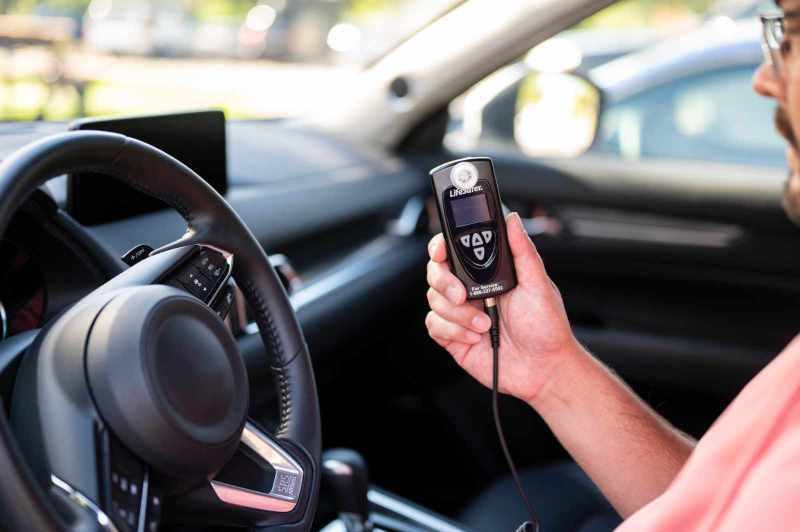
Ignition interlock devices are specialized equipment installed in vehicles to prevent drivers from operating their cars while under the influence of alcohol. These devices require drivers to take a breath test before starting their vehicle and at regular intervals while driving. The primary purpose of ignition interlock devices is to ensure public safety by reducing the number of drunk driving incidents on the road. In the state of Maryland, the use of ignition interlock devices is mandated by law for individuals convicted of certain driving offenses.
The installation and maintenance of ignition interlock devices are strictly regulated by the state to ensure compliance with the law. Drivers required to use these devices must have them installed by a certified technician and must also pay for the costs associated with installation, maintenance, and calibration. For more information on the regulations and requirements surrounding ignition interlock devices, individuals can refer to resources such as the Ignition Interlock Devices in Maryland to understand the specifics of Noah’s Law and its implications.
Requirements for Ignition Interlock Devices
Eligibility and Installation
The Maryland Motor Vehicle Administration (MVA) is responsible for overseeing the ignition interlock program in the state. To be eligible for the program, individuals must meet specific criteria, such as being convicted of a drunk driving offense or having a certain number of points on their driving record. Once deemed eligible, drivers must have an ignition interlock device installed in their vehicle by a certified provider. The device must be installed within a specified timeframe, usually within 30 days of notification, to avoid additional penalties.
The installation process involves several steps, including an initial assessment of the vehicle to determine the best location for the device, followed by the actual installation. The device is typically connected to the vehicle’s ignition system and requires a breath sample from the driver before the engine can be started. The cost of installation varies depending on the provider and the type of device used, but it is generally the responsibility of the driver to bear this expense.
Costs and Maintenance
The costs associated with ignition interlock devices can be significant. In addition to the initial installation fee, drivers are also responsible for monthly rental fees, which can range from $50 to $100 per month, depending on the provider and the device. Furthermore, drivers must also pay for regular calibration and maintenance of the device to ensure it remains in good working order. These costs can add up over time, making it essential for drivers to factor them into their budget.
Despite the costs, the benefits of ignition interlock devices in preventing drunk driving incidents and promoting public safety cannot be overstated. By requiring drivers to take regular breath tests, these devices help to reduce the risk of accidents caused by impaired driving. Additionally, the use of ignition interlock devices can also help drivers to develop safer driving habits and reduce their reliance on alcohol.
Installation and Maintenance of Ignition Interlock Devices
The installation of ignition interlock devices must be performed by a certified technician to ensure that the device is functioning correctly and meets the state’s regulatory requirements. The technician will typically assess the vehicle’s electrical system to determine the best location for the device and then proceed with the installation. Once installed, the device must be calibrated and tested to ensure it is working properly.
Regular maintenance of the ignition interlock device is crucial to ensure it continues to function correctly. This includes regular calibration, which is usually required every 30 to 60 days, depending on the device and the state’s regulations. During calibration, the device is checked to ensure it is accurately measuring blood alcohol levels and that it is functioning within the acceptable parameters. Any issues or problems with the device must be addressed promptly to avoid penalties or fines.
Conclusion
In conclusion, ignition interlock devices play a critical role in promoting public safety by preventing drunk driving incidents. The state of Maryland has implemented strict regulations and requirements surrounding the use of these devices, including installation, maintenance, and calibration. While the costs associated with ignition interlock devices can be significant, the benefits they provide in terms of reducing the risk of accidents and promoting safer driving habits cannot be overstated. By understanding the requirements and regulations surrounding ignition interlock devices, drivers can take the necessary steps to comply with the law and ensure their safety on the road.
Ultimately, the use of ignition interlock devices is an effective way to reduce the number of drunk driving incidents and promote public safety. As such, it is essential for drivers to be aware of the regulations and requirements surrounding these devices and to take the necessary steps to comply with the law. By doing so, drivers can help to create a safer driving environment for everyone on the road.